

ETH Casino Canada Guides: Deposits and Cash-Outs
ETH Casino Canada keeps 4 guides here, every one dated and written to the same method. Each page follows one job from the first decision to the last confirmation. Which network carries the transfer. What the network charges for it. How long the wait runs, and which cash-out terms the operator actually publishes. We measured the network cost ourselves, straight off the chain. Written for adults only.
In short: this section holds 4 guides on one payment method, each one dated. Each figure on these guides comes from one ledger: a median network fee of CAD 0.0316, a new block every 12.0528 seconds and not one confirmation count published by the operators we read, each quoted as we measured or read it. 0 of 4 carry a score out of 10, last checked .
Table of contents
- ETH Casino Canada Page Index and Dates
- What These ETH Casino Canada Guides Cover
- Networks, Fees, and the Wait
- Reading Order: The Network Before the Deposit
- Known Limits of These ETH Casino Canada Guides
- ETH Deposit Steps
- Withdrawal Steps
- No-KYC Verification Rules
- Provably Fair Checks
- Beyond ETH Casino Canada Guides
ETH Casino Canada Page Index and Dates
4 guides, none of them carrying a score, all published .
| Page | Type | Published | Last edited |
|---|---|---|---|
| How to Make an Ethereum Casino Deposit in 6 Steps | Guide | ||
| Withdrawing Ethereum From a Casino in 6 Steps | Walkthrough | ||
| Crypto Casino No KYC: A Verification Guide for Canada | Guide | ||
| Checklist: Verify a Provably Fair Casino (8 Checks) | Checklist |
What These ETH Casino Canada Guides Cover
Each of the 4 pages here walks one job from end to end. The job is a payment rather than a game: sending the transfer, plus everything a reader has to read before it. Every one of these guides covers the same subject: Ethereum (ETH) as a deposit method at online casinos outside Canada's regulated market.
Documents Before Steps
What the network charges is ours to measure, and these guides quote that measurement instead of an estimate: A median ETH transfer on Ethereum cost 0.000008611 ETH over the 30 days to — about US$0.0223, or CAD 0.0316.
- The order a reader works in: choosing the network, copying the deposit address, paying the network fee, counting the confirmations, and reading the cash-out terms before any of it.
- Every step rests on a document we can show, and the step names it.
- Figures carry the date they were read, because a fee measured across one month is not a promise about the next.
What a Guide Here Will Not Do
No page here promises a profit, and none of them will tell you how many confirmations an operator counts before it credits a deposit. No operator in our files publishes that figure. A guide that invented it would be inventing the most useful number on the page.
Networks, Fees, and the Wait
Cost comes before tactics for a blunt reason: the network charges for the attempt, not for the result.
What the Network Charges
A transfer can fail and the network still charges for it, and these guides put our own figure on that: 1.7935% of the transactions we read were reverted, and the median one cost its sender CAD 0.0656.
Waiting is the part a reader cannot shorten, and these guides give it a measured length: the chain closed a block every 12.0528 seconds across the window we read.
What the Operator Decides
The figure that decides the wait is the one nobody prints, so these guides record the absence instead of guessing at it: Not one of the eight operators we read publishes how many network confirmations it waits for before a deposit is credited, and only one of them names the full set of networks it will credit.
- What the operator controls: the wait for network confirmations, which not one of the operators in our files publishes.
- Our own measurement covers the network; what an operator charges on top of it is a separate figure, and mostly an unpublished one.
How This Section Verifies a Figure
Teaching carries a duty of the same kind. Every step here rests on a document we can show. That means the regulator's standard, the register entry, the operator's published terms, or our own reading of the chain. What we could not confirm in one of those, we cut instead of paraphrasing it from somewhere else.
A check date promises one thing only: somebody opened that source on that day. So a correction moves the update date of the page it touches, and we fix the ledger in the same pass. How we test sets out the full method, including how we score and what we refuse to publish.
We are an affiliate publisher. We disclose that beside every sponsored link, and no operator buys a kinder write-up. Local law decides whether you can open an account at all. The minimum age differs by province, and the operator enforces its own identity checks. Nothing on these guides is legal or tax advice.
Reading Order: The Network Before the Deposit
Reading order for a first deposit runs like this: ETH Deposit Steps, Withdrawal Steps and No-KYC verification rules. The network page is the foundation the others stand on, because a transfer sent on the wrong network is not slow, it is gone.
Set a budget before any of it, and treat the whole exercise as spending rather than investing. Nothing here is tax advice, and the tax entry on the reference desk explains why that distinction matters in Canada.
If play stops feeling like entertainment, the responsible gambling page lists the limit tools and the helplines that are actually reachable. Those tools sit with the operator and with the provincial services, never with the network.
Pages most readers open first:
Known Limits of These ETH Casino Canada Guides
These guides offer the mechanics of a transfer, our own measurement of what the network charges for it, and the published terms around it. They offer no way to reverse a transfer and no route around an identity check. They make no claim that any of it is legal where you are.
One limit belongs in the open. Our connection does not leave from Canada, so no page here claims that a given site opens from a Canadian address, or refuses to. Every statement about access comes from an operator's own terms, quoted as printed.
What stays out of these pages is just as deliberate. No page here names an operator we hold no dossier on. None of them reasons from the operators we read to the ones we did not.
- No page here claims a funded account or a completed withdrawal.
- Availability, minimums, and supported networks differ by operator and change without notice.
Every number on these guides answers to one ledger, printed in full on the Reference section instead of repeated in each section.
ETH Deposit Steps
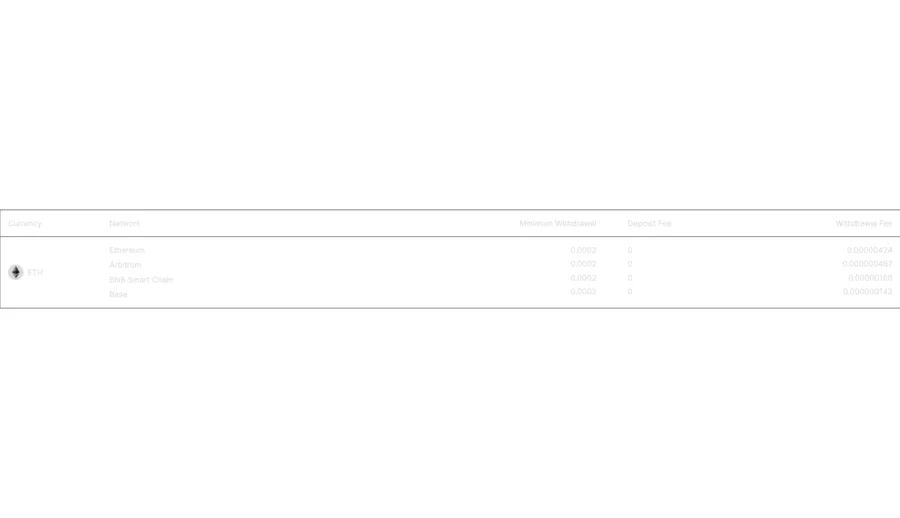
All eight casinos we read leave out the same number: how many network confirmations each one waits for before your balance moves. Filed as a guide page, first published on .
What the Page Settles
Two of the eight name a network at all: Cloudbet lists four, and mBit Casino names one by banning the rest.
Choose the network before you deposit, check the address format, and see which of eight ETH operators publishes a confirmation count.
The full working, with its sources, sits on ETH Deposit Steps.
Withdrawal Steps
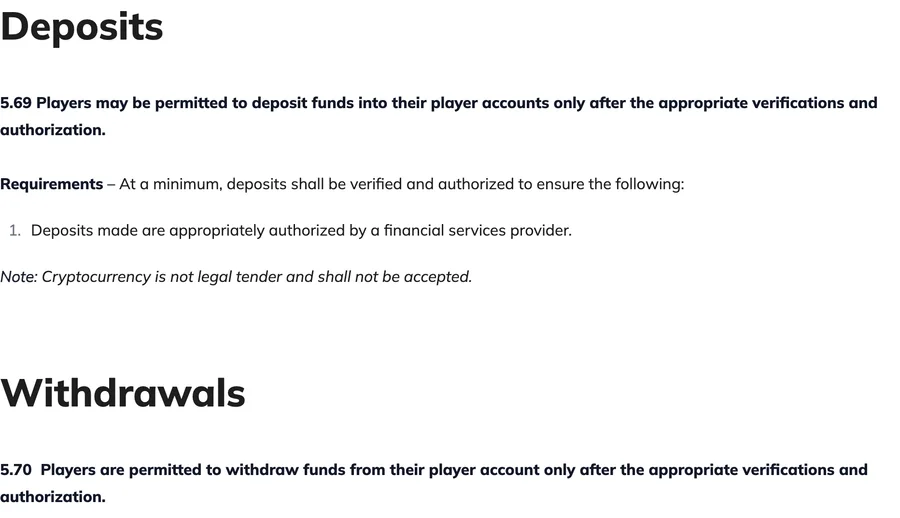
Three more leave the trigger to their own discretion, and the last two publish nothing about it, and not one of the eight prints the figure that sets it off. A walkthrough entry; we last edited it on .
Where Its Figures Come From
Payout minimums, operator fees and the identity checks that land before a first ETH withdrawal, taken from the published terms of eight operators.
The reading notes behind this, sources included, are on Withdrawal Steps.
No-KYC Verification Rules
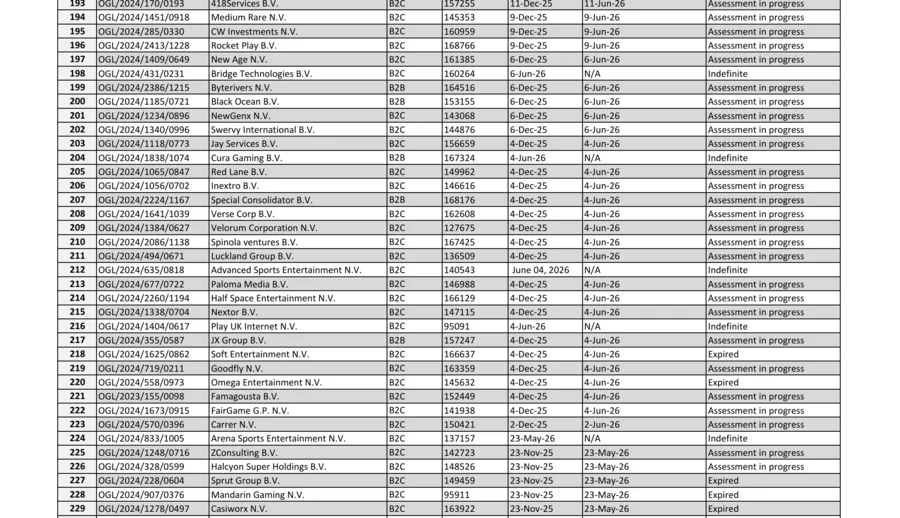
All eight crypto casinos we read reserve the right to demand your documents later. This one went up on , filed under guide.
What We Verified There
Shuffle.com at least names the moment: in any event before your first withdrawal.
Eight offshore casinos that take Ethereum can all demand ID later, and none names the trigger.
Open No-KYC verification rules for the sourced detail.
Provably Fair Checks
Five of the eight sites we read publish a provably fair page. Revised , and kept current by the checklist desk.
Why It Earns a Place Here
Reading one is not the same as checking a round, and the gap between those two things is what this list measures.
Here is what each check settles.
Provably Fair Checks carries the rest of the argument.
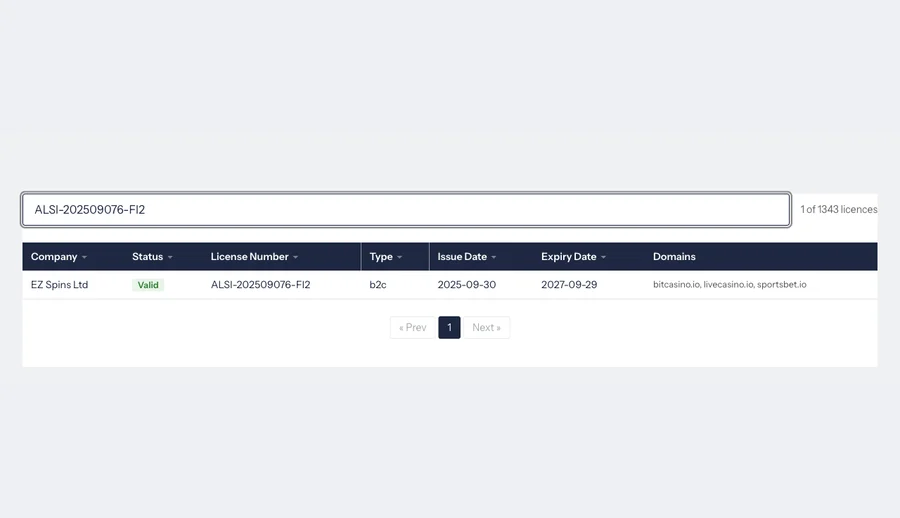
The documents behind these guides sit with their check dates on the Reference section: operators' terms, regulator standards and licence registers.