Table of contents
Ethereum Casino, Legal Status in Canada
An Ethereum casino is an online casino that takes ETH deposits. For a player in Canada, that one fact puts the site outside the legal market. Ontario tells its own registered sites to refuse crypto. No province licenses a crypto site, so every ETH casino you can reach from here runs on a foreign licence.
- Subject:
- Ethereum (ETH) as a deposit method at online casinos outside Canada's regulated market
- On Ontario's regulated market:
- Not accepted at all.
- Network fee we measured:
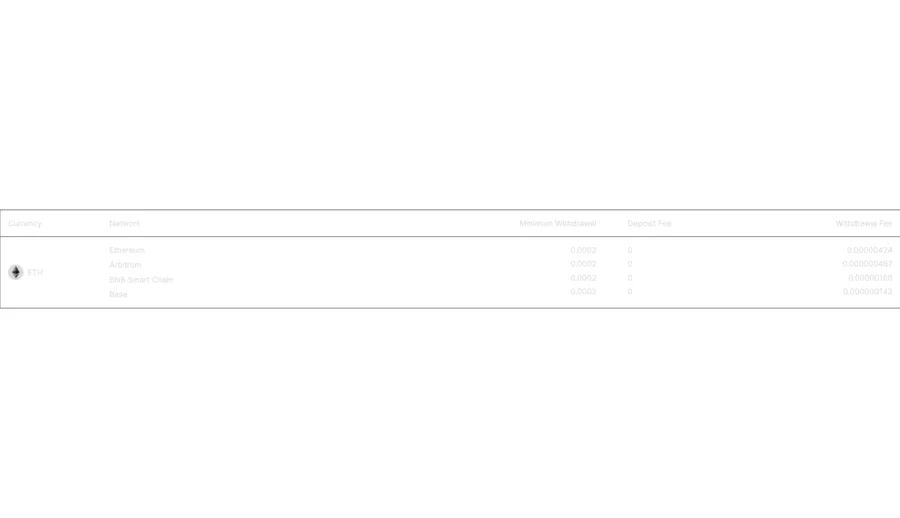
- A median ETH transfer on Ethereum cost 0.000008611 ETH over the 30 days to — about US$0.0223, or CAD 0.0316.
- Licences we could check:
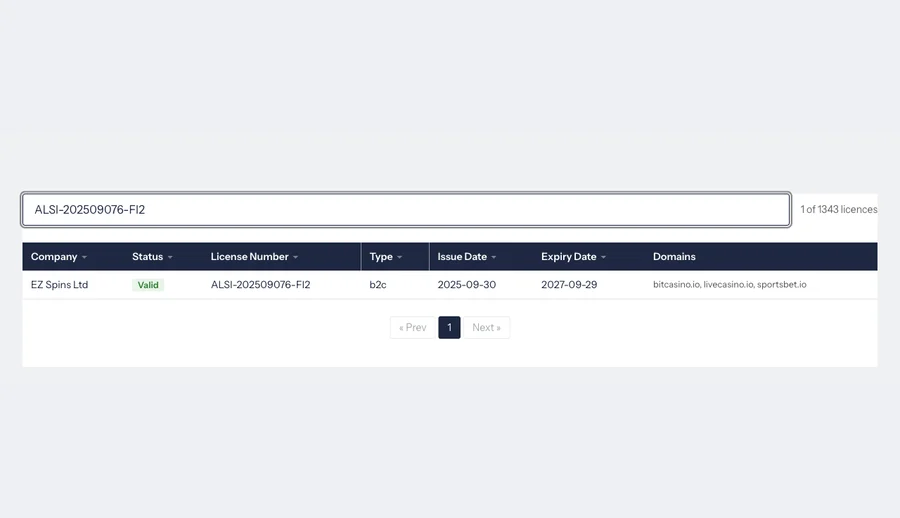
- All eight operators we read are in a public register, and three of them print details that do not match it.
- Confirmations operators publish:
- None of them.
Standard 5.69 and Casino Deposits
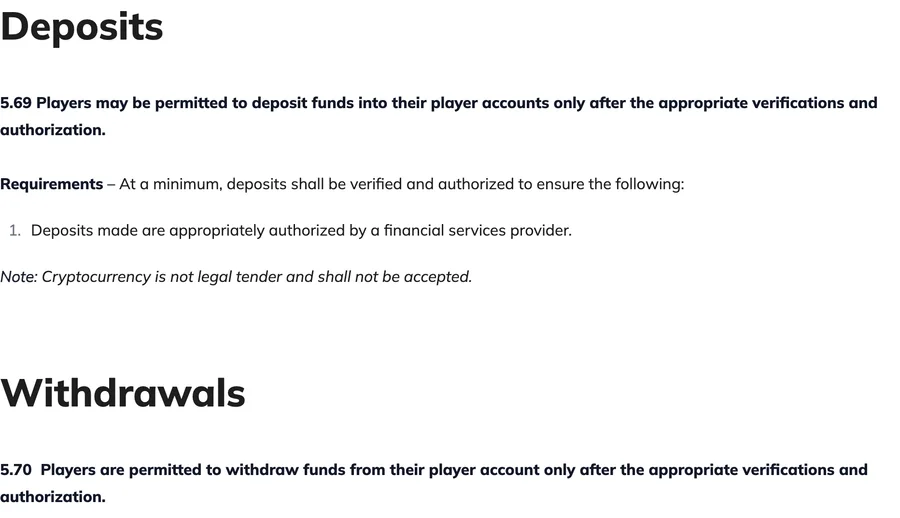
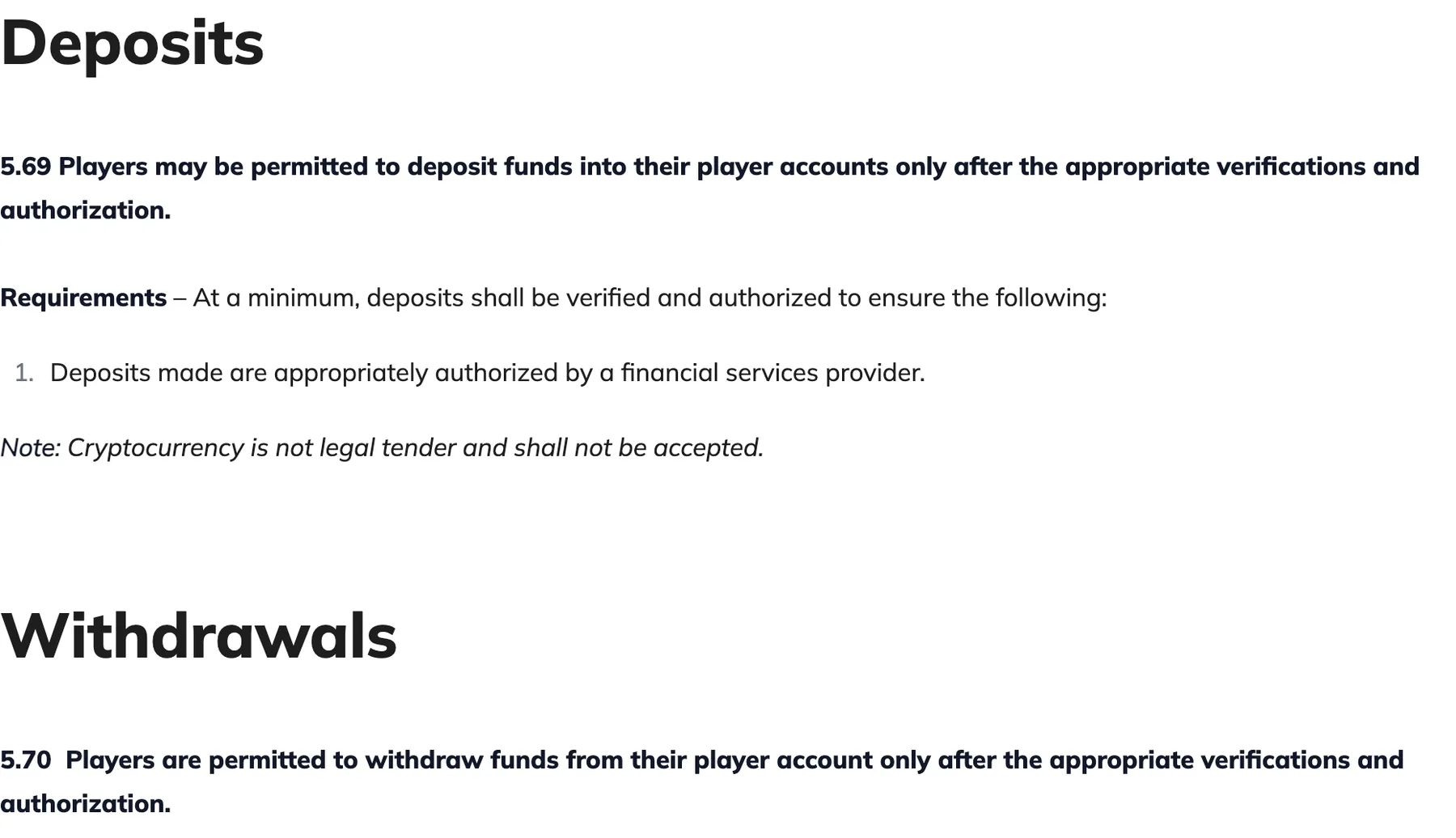
Standard 5.69 is the rule that keeps crypto out of a registered Ontario deposit, and the work is done by a footnote under it. In the deposits section of the Registrar's Standards for Internet Gaming, that note reads:
"Cryptocurrency is not legal tender and shall not be accepted."
That note hangs off a standard about verifying and authorising deposits. It is not a separate rule about casinos, and the difference matters when you quote it.
One line, one consequence. Any site that credits your ETH is a site Ontario never registered. That turns the legal question into a different one: who may run the game at all.
Read the neighbouring standards and the picture narrows. Standard 5.74 prohibits an internet gaming operator from extending credit to a player, and the lottery sector's Standard 2.14 imposes an identical prohibition, qualified by a guidance note confirming that the standard does not prohibit the use of credit cards for the purchase of lottery tickets. Ontario regulates the loan, then, and not the plastic.
What Is Legal in Canada Instead
Legal online gambling in Canada runs through the provinces. Sections 201 to 207 of the Criminal Code (RSC 1985, c. C-46) make keeping a gaming or betting house an offence. Section 207 carves out the exception: a province may conduct and manage a lottery scheme inside its own borders. Courts have read that phrase to cover casino games, machines and online play.
Bill C-218 widened the exception on by allowing single-event sports betting, which is why provincial sportsbooks arrived when they did. We read the statute through legal summaries rather than the statute text. Take the section numbers as the load-bearing part, and the paraphrase as ours.
| Route | Who runs it | Where it applies |
|---|---|---|
| Provincial operator | OLG, PlayAlberta, PlayNow, SaskGaming, Espacejeux | Inside that province only |
| Ontario registration | A private brand registered with iGaming Ontario | Ontario, to players in the province |
| Offshore licence | An operator licensed in Anjouan or Curaçao | No Canadian authorisation at all |
Read on ; the maker can change a screen without saying so.
We read the deposit-method pages of three provincial sites, OLG, PlayAlberta and BCLC's PlayNow, took the Saskatchewan PlayNow from the BCLC platform it runs on, and reached Espacejeux's list only through secondary write-ups. Cards and an Interac option come up on all five, PayPal on four of them, because OLG's own banking pages name no PayPal. A coin comes up on none.
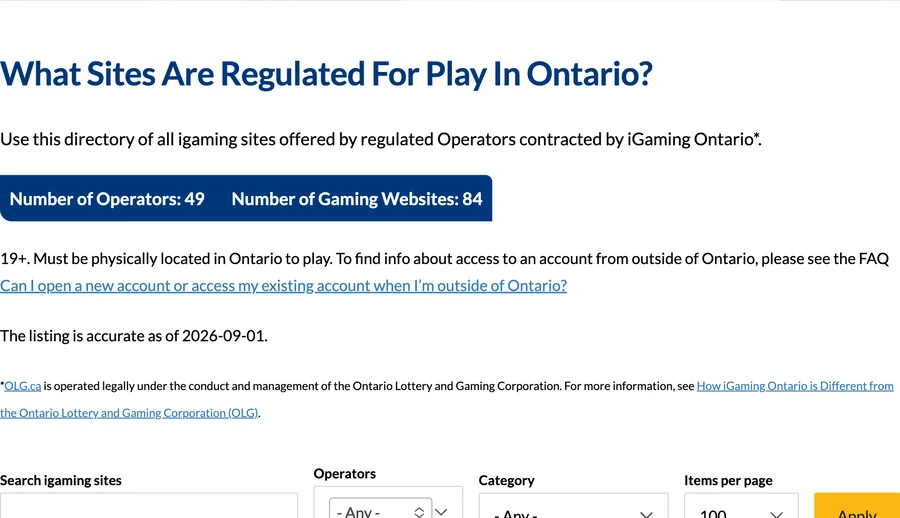
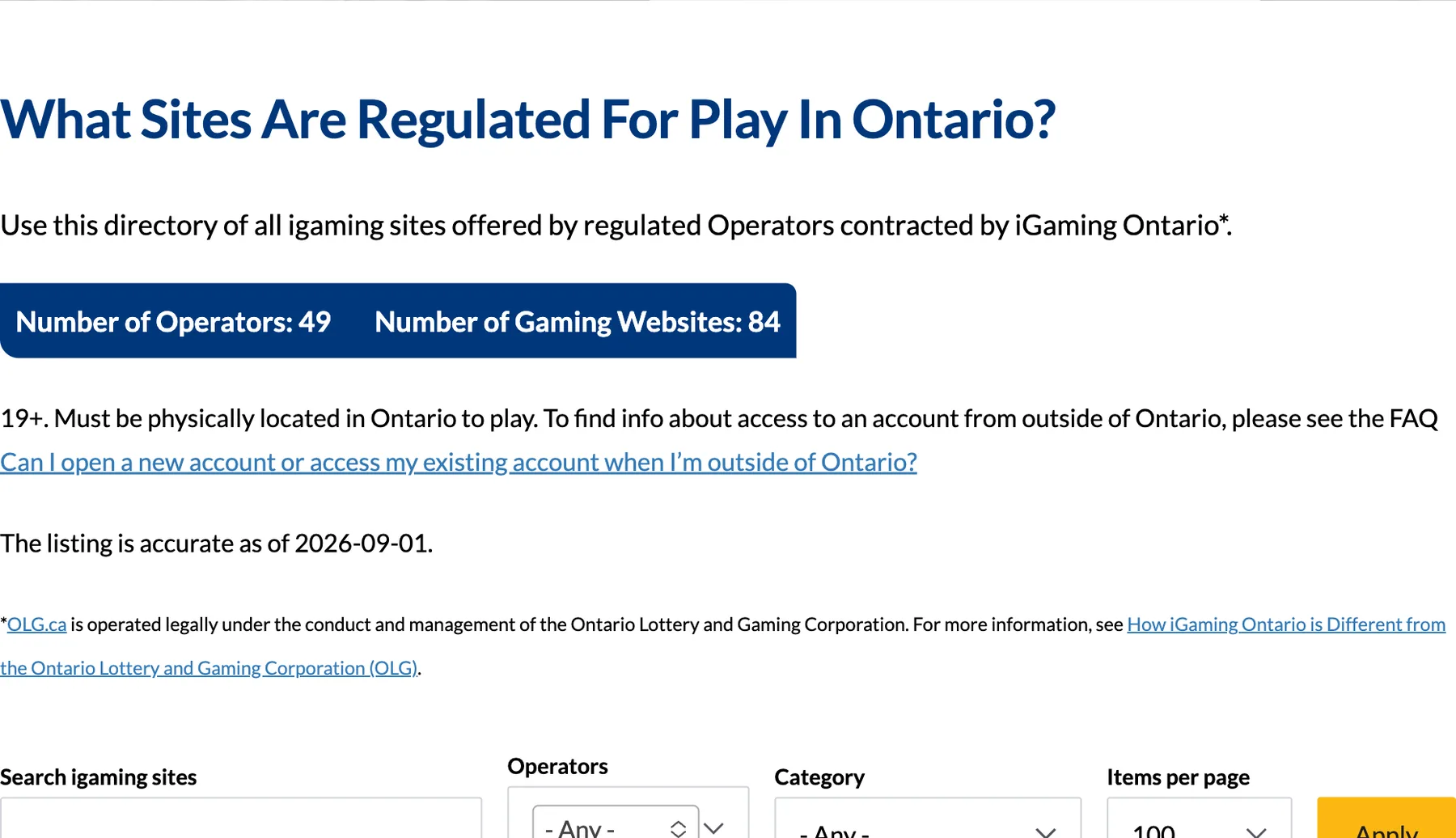
The private route exists in one province. Ontario's own directory counts 49 operators and 84 gaming websites, and dates itself accurate as of . The word crypto appears nowhere on it. That silence proves less than it looks. The directory lists brands and products and skips payment methods, so the ban rests on Standard 5.69 and not on the register.
Quebec runs the strictest version of the same setup. Espacejeux, run by Loto-Québec, is the only legal online option there. Signing up asks three things at once: 18 or older, a Quebec resident, and in Quebec right now. There is no list of private operators to search, because a monopoly leaves nobody to list.
One province, one site, three boxes to tick.
Quebec did try to shut offshore sites out. Bill 74 ordered internet providers to block them, and in July 2018 the Quebec Superior Court struck that part down as unconstitutional.
Age and Location Rules by Province
Age comes from the province, not from the casino, and the numbers split. Ontario sets 19 and adds a condition people forget: you have to be physically located in the province. Its directory states that on the same page as the operator count. Alberta, Quebec and Manitoba each set 18 in their own terms.
Minimum Age by Province
| Province | Minimum age | Where the number comes from |
|---|---|---|
| Ontario | 19 | iGaming Ontario player FAQs, which also require you to be in the province |
| Alberta | 18 | PlayAlberta terms, where you confirm you are at least 18 |
| Quebec | 18 | Espacejeux conditions of use, section 4.1.1 |
| Manitoba | 18 | PlayNow Manitoba player agreement |
The rest of the map stays blank here on purpose. We could not confirm an age for British Columbia, Saskatchewan or the Atlantic provinces in an operator's own terms or a provincial player agreement, so this page prints no number against them. Read the site you intend to use before assuming one.
This Page Is Not Legal Advice
This page reports what the published rules say and names the documents they come from. It is not legal advice, and it does not tell you what to do: a lawyer in your province is the person who can.
What an Ethereum Casino Relies On
An Ethereum casino relies on an offshore licence, and for these eight that means one of two authorities: Anjouan or Curaçao, four apiece. None of them claims a Canadian licence, and none could hold one while crediting ETH. What the offshore paperwork does give you is a register row to look up, which is more than the marketing suggests.
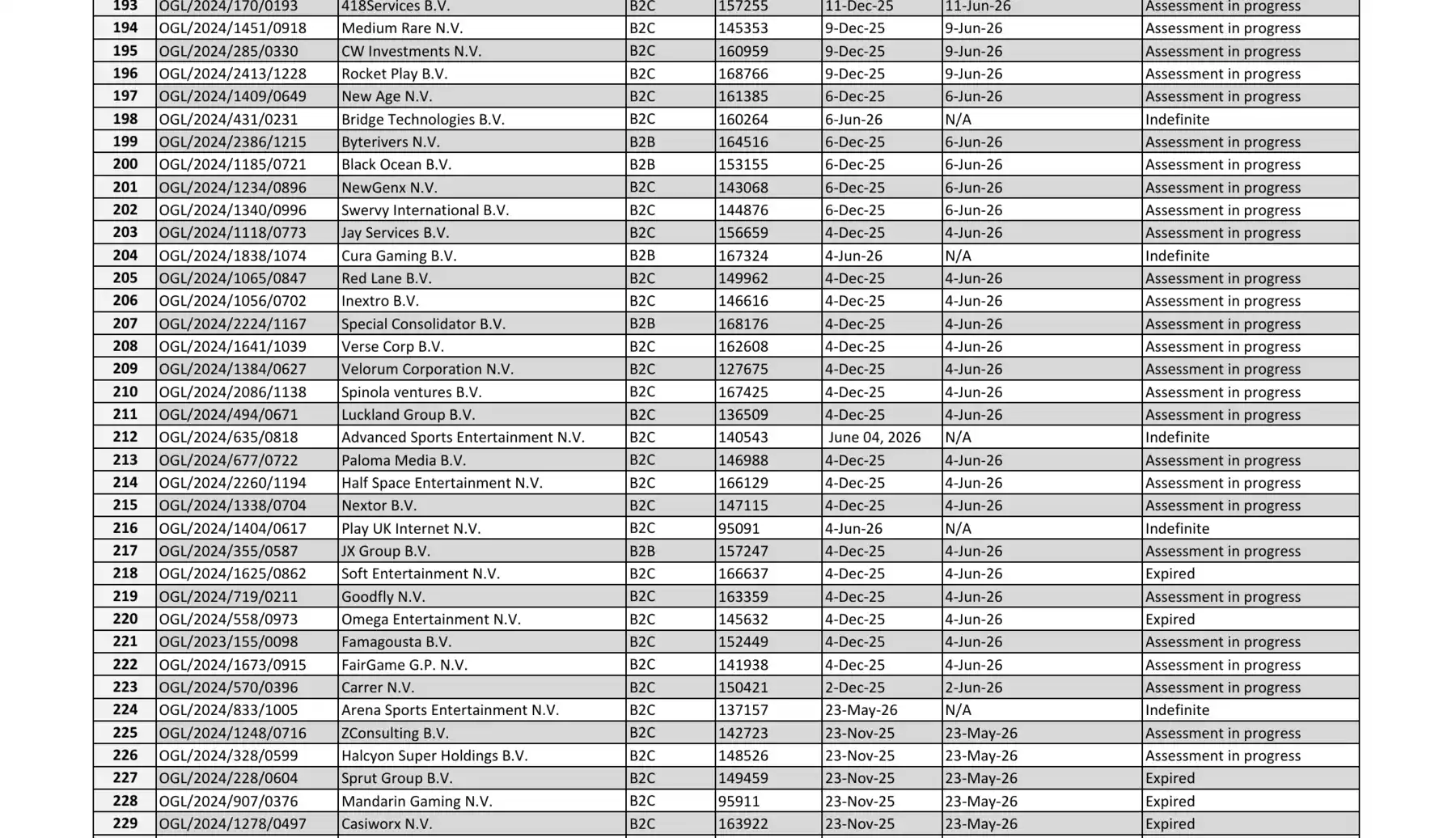
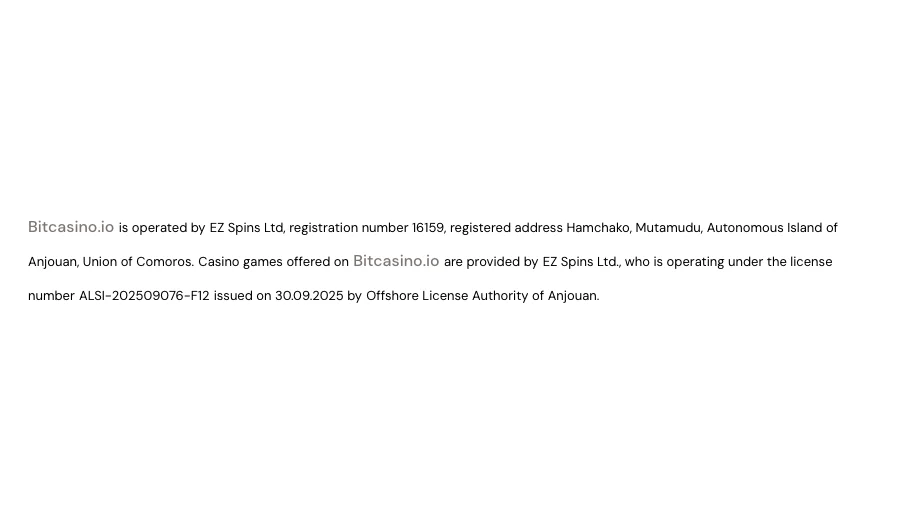
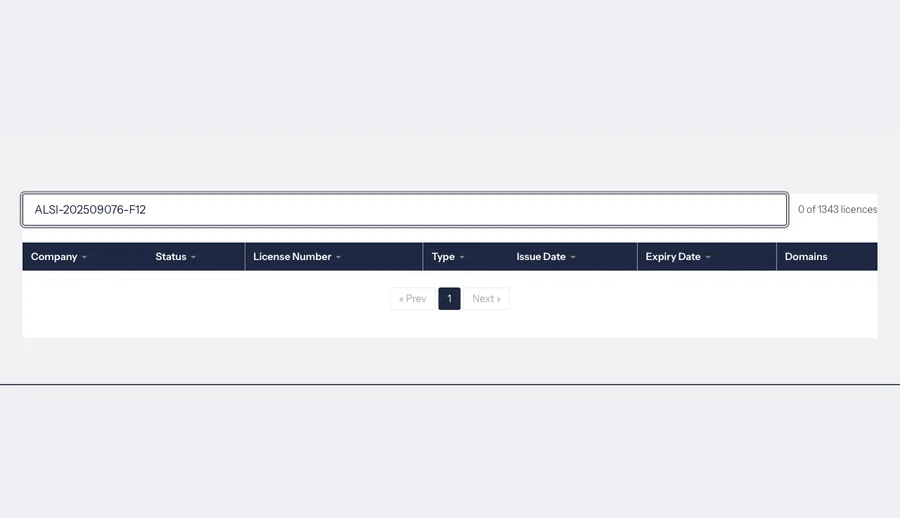
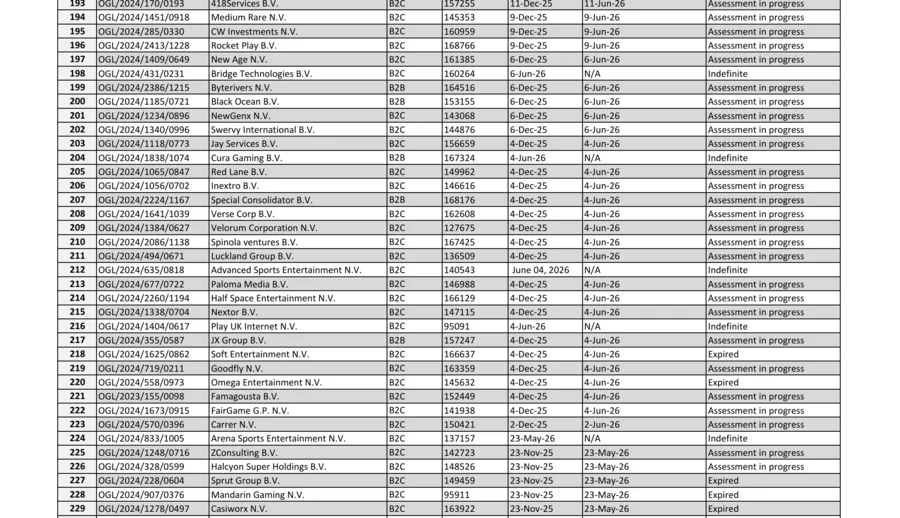
All eight operators we read on appear in a public register. The Anjouan authority's register of 1,343 licences accounts for BC.Game, Bitcasino.io, Metaspins and Rollbit; the Curaçao Gaming Authority's register, a 20-page publication circulated while its own verification portal remains offline, accounts for Cloudbet, mBit Casino, Shuffle.com and Stake.com.
Status is what a register adds, and two entries read oddly. Medium Rare NV stands behind Stake.com, Halcyon Super Holdings BV behind Cloudbet. Both sit under Assessment in progress on page 6 of the October register, with expiry dates that have passed. The register states that it cannot confirm whether a licence is currently valid, so the wording stays the register's, and lapsed is a word nobody can read there.
Operator terms are the other half of the answer, and this is where Canada turns up by name. Stake.com lists Alberta and Ontario among its prohibited jurisdictions. mBit Casino sets no country-wide bar on Canada, then names it in three game-level clauses; one of them says players from Canada are not allowed to play NYX games. Four of the eight publish a territory list with no Canadian entry on it: Bitcasino.io, Metaspins, Rollbit and Shuffle.com. Two publish no territory list we could find at all, BC.Game and Cloudbet.
We do not recommend Stake.com to a player in Alberta or Ontario.
Its own prohibited jurisdictions list names both provinces. Open an account there and you break the operator's own rules before Canadian law even comes up. The balance on a broken account is the operator's to keep.
One limit applies to all of this. We read terms and registers, and we did not test access from a Canadian address, because our browser left from Belgrade that day. Nothing here says whether a given site opens or closes for a Canadian player, only what its documents say.