

Ethereum Casino Tax Canada: A Plain Guide to CRA Rules
In short: An ordinary player's casino win in Canada is generally a windfall and not taxed, under Income Tax Folio S3-F9-C1, yet CRA treats ETH as a commodity and lists gambling among the crypto transactions you must value in Canadian dollars.
Two rules sit side by side here, and they pull in different directions. The win is usually a windfall; the ETH that carried it is property, and property moves have a value CRA expects you to work out in dollars.
- Subject:
- Ethereum (ETH) as a deposit method at online casinos outside Canada's regulated market
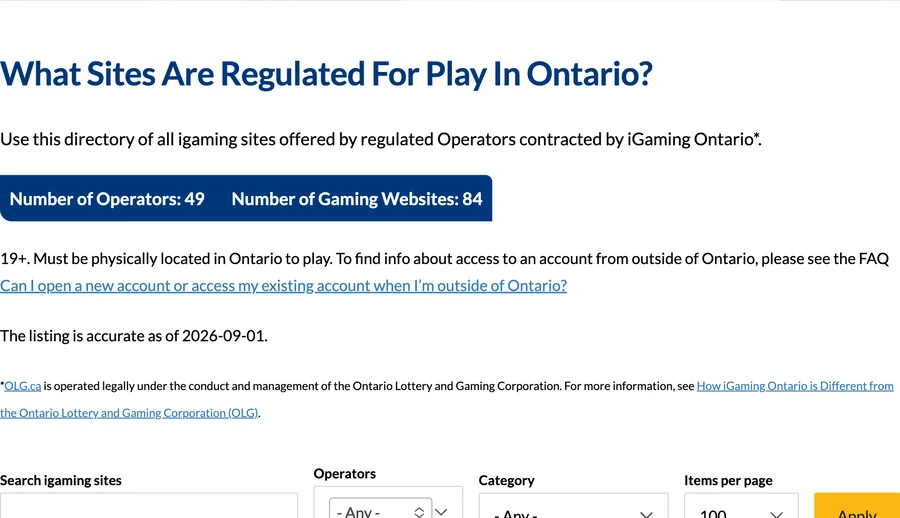
- On Ontario's regulated market:
- Not accepted at all.
- Network fee we measured:
- A median ETH transfer on Ethereum cost 0.000008611 ETH over the 30 days to — about US$0.0223, or CAD 0.0316.
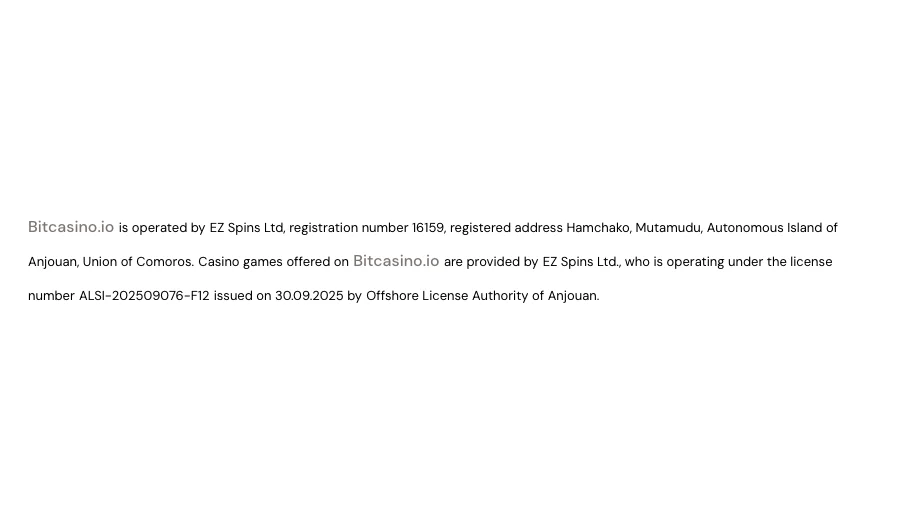
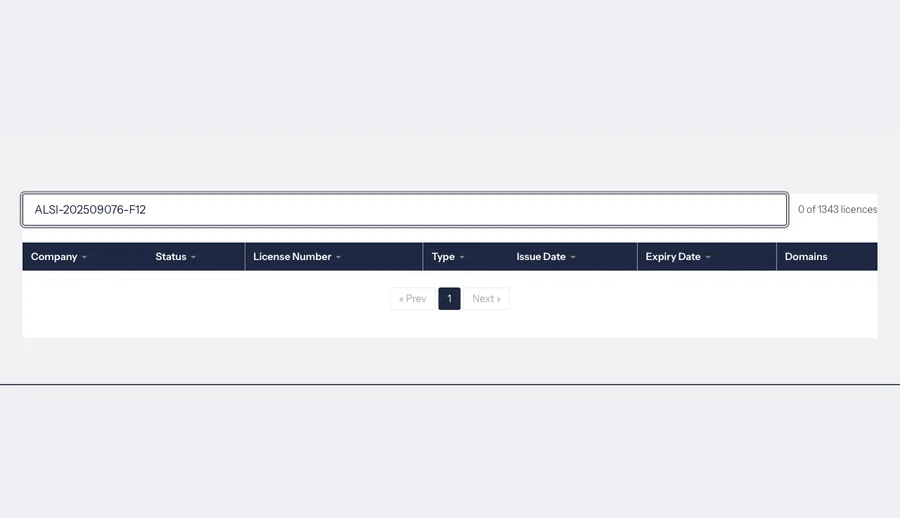
- Licences we could check:
- All eight operators we read are in a public register, and three of them print details that do not match it.
- Confirmations operators publish:
- None of them.
What CRA Taxes and What It Doesn't
CRA generally does not tax an ordinary player's gambling win in Canada at all, and the document saying so is Income Tax Folio S3-F9-C1. Paragraphs 1.11 and 1.12 treat those receipts as windfalls, which is the good news and it is real. Its title is a period piece: Lottery Winnings, Miscellaneous Receipts, and Income (and Losses) from Crime. Games of pure chance, the folio says, lack the badges of trade.
The exception is the player who behaves like a business. Paragraphs 1.14 and 1.15 set out what CRA weighs. The factors are how organised the activity is, special knowledge that cuts the chance element, profit intention against pleasure, and how much and how often you bet. Paragraph 1.13 points to Leblanc v. The Queen, where gambling counted as a commercial activity only in very exceptional circumstances. Profit from bookmaking or from running a gambling establishment is business income under paragraph 1.11, and that paragraph describes the house, not the player.
One citation trap sits here. IT-334R2 still circulates in forum answers, and the folio that replaced and cancelled it took effect on . Cite the folio.
There is a gap worth naming too. The folio says nothing about online gambling, crypto-assets or ETH. It is the general test for gambling receipts, not a crypto ruling.
Why CRA Treats ETH as a Commodity
CRA's crypto guide confirms the part that catches players out: these coins are property, not money. The guide states that crypto-assets have not been legal tender under the Currency Act. That is why CRA uses the term crypto-assets and taxes them as a commodity.
Then comes the line that matters most here. CRA lists the events where a holder has to work out the value of crypto-assets in Canadian dollars. That list runs: buying, selling, trading, barter transactions in both directions, gifts and donations, gambling, and rewards from mining or staking. Gambling is an item on CRA's own list, in CRA's own words.
Two CRA documents therefore point different ways at the same session. The folio on gambling receipts never mentions crypto, while the crypto guide names gambling outright. They do not contradict each other, because they answer different questions: one asks whether the win is income, the other asks what the coins were worth when they moved.
The Three Events in a Casino Session
The three events are the deposit, the withdrawal and the later swap into dollars, and on our reading each one counts as a disposition. That reading is ours, and this is where the page stops quoting and starts reasoning. CRA's guide says a disposition may occur when you trade or exchange a crypto-asset for government-issued currency or another crypto-asset. It may also occur when you use it to buy goods or services, or when you transfer ownership by gift or donation. The guide adds that its list does not cover every situation.
Each row below pairs one of those moments with the CRA rule we applied to it.
| Moment | CRA rule being applied | Our reading of the moment |
|---|---|---|
| Deposit of ETH | Using a crypto-asset to buy goods or services | A disposition at that day's value, with a gain or loss against your cost base |
| Withdrawal of ETH | Acquiring a crypto-asset | A fresh cost base, set by the value when the coins land |
| Swap into dollars | Trading a crypto-asset for government-issued currency | A second disposition, measured against that fresh base |
Read on ; the maker can change a screen without saying so.
Read the table as our application of the rule rather than a CRA position on casinos. CRA publishes no page that walks through a crypto casino deposit by name, and we went looking for one. What CRA does publish is the arithmetic: half of a capital gain enters income. It belongs on Schedule 3 of the T1, in the line for bonds, debentures, promissory notes, crypto-assets and other similar properties.
Capital or business comes from the same factor list CRA applies to traders. Frequency and holding period come first. Market knowledge, time spent studying prices, borrowing to fund the trades and promoting them fill out the list. An occasional deposit and withdrawal sits on the capital side for most players, and that is where the 50% inclusion rate lives.
Records the CRA Expects for Tax
CRA expects six fields for every transaction, and the last two are the ones people forget. Its record-keeping page for crypto-assets reads like a ledger template.
| Field CRA asks for | What goes in it |
|---|---|
| Units and asset type | How many coins moved, and which crypto-asset they were |
| Date and time | The moment the transaction happened |
| Value in Canadian dollars | What the asset was worth at that moment |
| Description and other party | What the transaction was, and who stood on the other side |
| Wallet addresses | Every digital wallet address involved |
| Opening and closing balance | Each crypto-asset's balance before and after, with its cost |
Keep the lot for six years from the end of the last tax year it relates to.
Valuation has a rule of its own. Pick a method, use it consistently year to year, and keep a record of how you arrived at the figure. CRA accepts a rate from the broker you used, or an average of high, low, open and close values across high-volume brokers.
The amount you sent is one figure on that receipt; the network took another. We measured the network side ourselves over the 30 days to , reading 720 hourly blocks and 54,083 plain ETH transfers. The median transfer cost 0.000008611 ETH, about CAD 0.0316, and eight transfers in ten fell between CAD 0.0056 and CAD 0.1793. Small enough to ignore in the arithmetic, worth a line in your own record, because that line explains the gap between what you sent and what the casino credited.
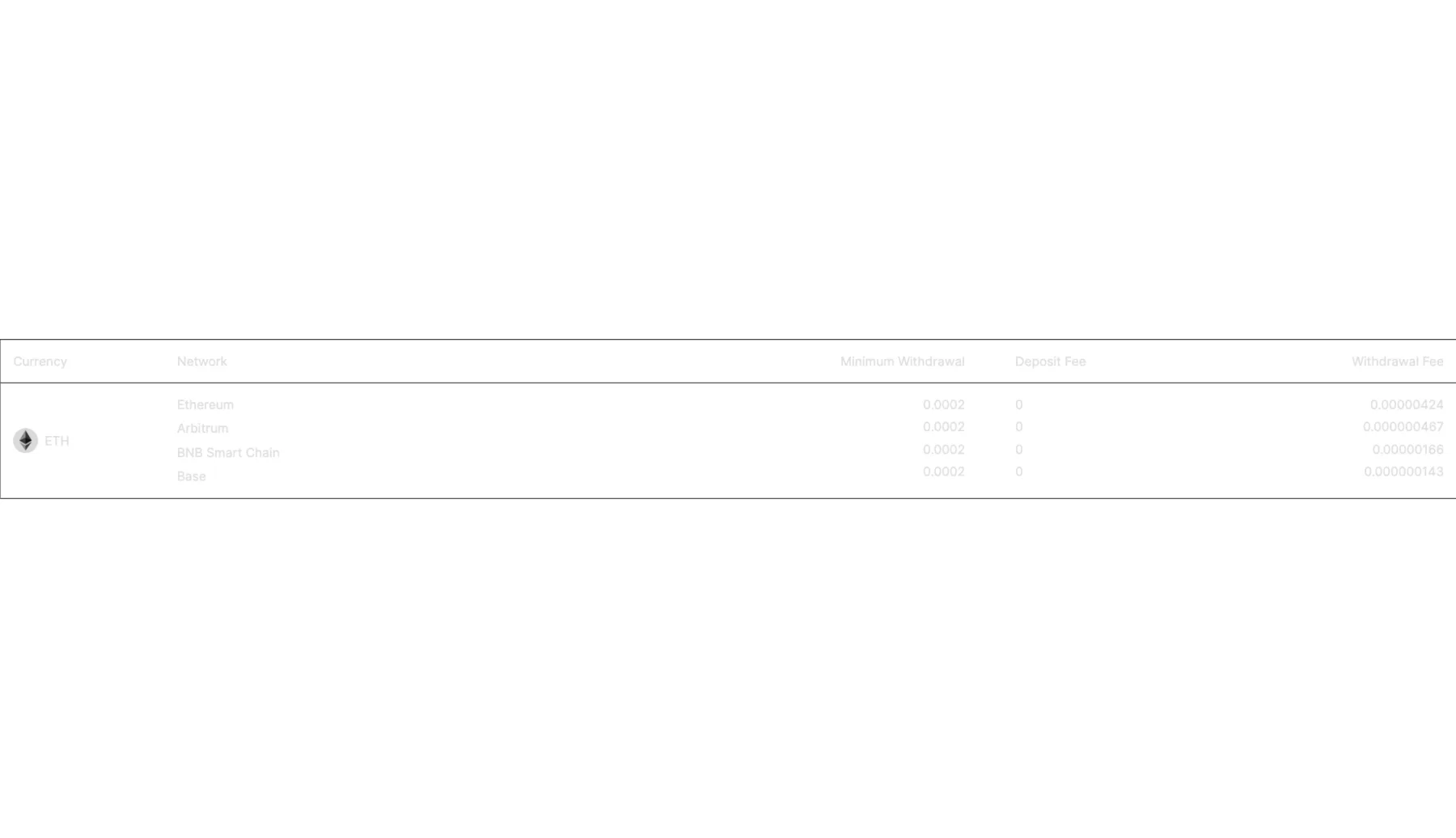
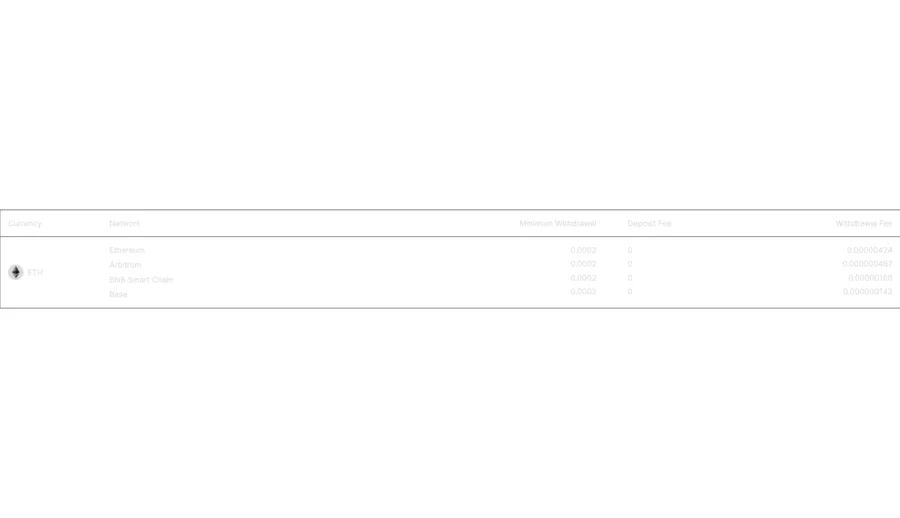
What the operator charges on top is a different number again, and most of the eight we read keep it unpublished. Cloudbet is the exception. Its fee table prints a 0.0002 ETH minimum withdrawal on Ethereum, Arbitrum, BNB Smart Chain and Base. Each of those networks carries its own withdrawal fee, and the deposit fee is zero.
Nobody Files a Canadian Slip Here
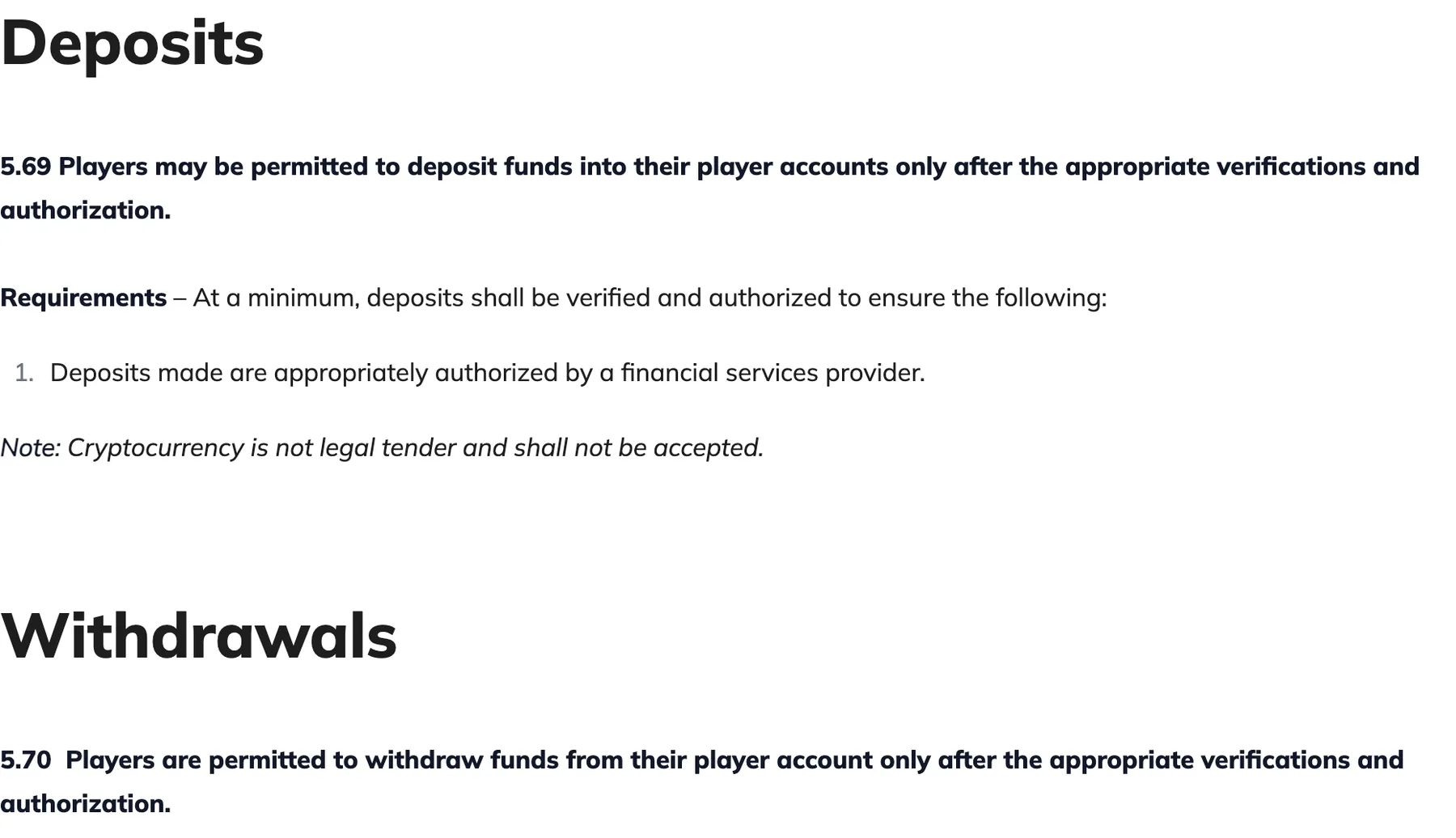
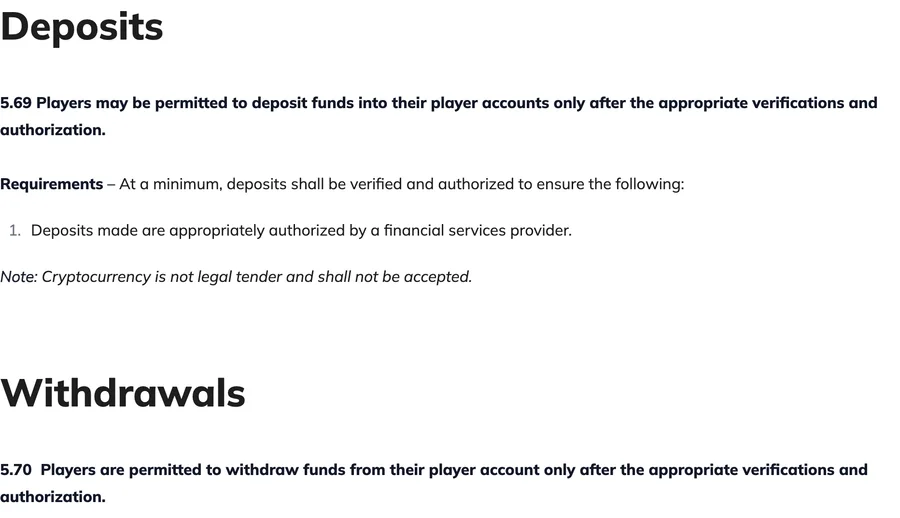
No Canadian slip reaches you after an ETH win, because no Canadian-regulated operator sits in the chain to issue one. Ontario's deposit standards tell registered operators that cryptocurrency shall not be accepted, which puts any site crediting your ETH outside that chain from the start. A win at a provincial site leaves a paper trail inside Canada. A win in ETH leaves none, and the reason is structural rather than accidental.
The Canadian duties land one step back, on money services businesses. Virtual currency dealers have had to register with FINTRAC since , and the reporting rules below took effect on .
Reporting Thresholds in Canada
| Rule | Threshold | Who files, and when |
|---|---|---|
| Large virtual currency transaction report | 10,000 CAD or more received, or amounts totalling that inside a 24-hour window | The money services business, within five working days |
| Travel rule | 1,000 CAD or more transferred | Sender and recipient details travel with the transfer, under PCMLTFR section 124.1 |
Whether an offshore casino falls under any of it turns on a test FINTRAC publishes for foreign businesses. The markers are a .ca domain, marketing aimed at people in Canada, or a listing in a Canadian business directory. A casino showing none of them stays outside Canadian reporting. That conclusion is the general test applied to an obvious case, not a FINTRAC statement about casinos.
One thing we could not settle, and it concerns the exchange rather than the casino.
We do not recommend treating an aggregator's copy of the FINTRAC register as proof that your exchange is registered.
Looking up Bitbuy, one open-data mirror showed a registration expiring in 2023, while an industry write-up this year described the same company as an active money services business. We could not reach the registry itself from here to settle the contradiction, so this page prints no registration numbers.
None of this is tax advice. It is a reading of what CRA and FINTRAC publish, with the document named beside each figure. If your year held one deposit and one withdrawal, the six fields above are the whole record-keeping job, and the disposition itself still goes on Schedule 3. If it held hundreds, an hour with an accountant costs less than a reassessment. If neither case fits, keep the six fields anyway and decide at filing time.
Key Terms Used on This Page
- Windfall
- An unexpected receipt CRA generally leaves untaxed; for gambling it is covered by Income Tax Folio S3-F9-C1, effective .
- Disposition
- A moment CRA counts as parting with a crypto-asset, including trading it or using it to buy goods or services.
- Adjusted cost base
- The cost figure a gain is measured against, reset when ETH lands back in your wallet at that day's value.
- Inclusion rate
- The share of a capital gain that enters your income, which is 50% for a disposition on capital account.
- Large virtual currency transaction
- A receipt of 10,000 CAD or more, which a Canadian money services business reports within five working days.
This site takes no deposits and runs no identity checks; both stay off it entirely.
Related Reading
More on this subject, from the same section first:
 Reference
Games and Exclusions
2 slots, 1 provider barred in Canada
 Reference
Network Fees Measured
CAD 0.0316 median, 4.76x on USDT
 Reference
Legal status in Canada
Ontario 19, Alberta and Quebec 18
 Reference
ETH or Bitcoin deposits
0.0002 ETH minimum, four networks
 Reference
Ranked by disclosure
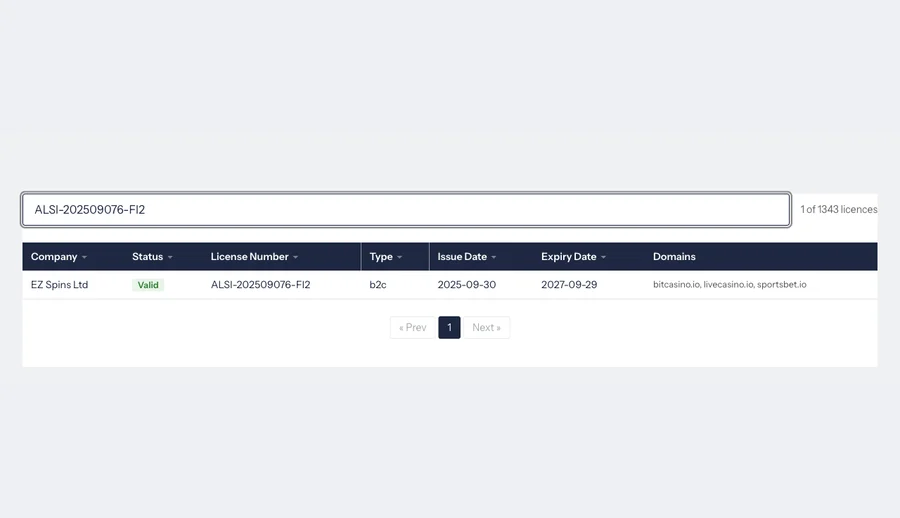
3 of 8 disagree with the register
 Reviews
ETH Deposits From Canada
0 of 8 publish confirmation counts
 Casinos
Stake: licence check
Licence OGL/2024/1451/0918, not printed on site
What Else Do Readers Ask?
These are the questions left once the two rules are clear, and each answer names the folio, the CRA guide page or the regulation it comes from.
Do I report a win if I never cash out to dollars
Yes, by CRA's own list: gambling sits among the crypto transactions where you work out a value in Canadian dollars, conversion or no conversion.
Which form carries a crypto capital gain
Schedule 3 of the T1 carries it, in the line for bonds, debentures, promissory notes, crypto-assets and other similar properties.
How long must wallet records be kept
Six years from the end of the last tax year the records relate to, and CRA lists wallet addresses among the fields it expects.
Is IT-334R2 still the bulletin to cite
No, IT-334R2 was replaced and cancelled by Income Tax Folio S3-F9-C1, which took effect on and now covers windfalls.
What turns a player into a business for CRA
Factors CRA weighs include how organised the activity is, knowledge that cuts the chance element, profit intention over pleasure, and the size and frequency of bets.
When does an exchange file a report
Exchanges file for a single virtual currency receipt of 10,000 CAD or more, or amounts reaching it inside 24 hours, within five working days.
Does an offshore operator report my balance
No reporting duty falls on a casino that does none of the four things in FINTRAC's test. What any of the eight actually files, we did not check.
Which rate applies to a taxable crypto gain
Half of a capital gain enters your income under the 50% inclusion rate, and CRA calls that half the taxable capital gain.
How do we check a tax figure on this page
Every figure here comes from a CRA or FINTRAC page we read on , and the document sits beside it in the text.